
LEDs.
a. Form: domes, flat round bulbs, or LED light strips
b. Voltage: 12v, 24v, 30v, 48v
c. Protocol: Determine the communication protocol used by the LED lights (e.g., DMX, WS2812, etc.) in order to integrate them seamlessly with the controller.
d. Installation: The lights may come with their own dedicated channel or they may need to be installed in pre-existing elements of the home (such as J-channel, rain gutters, etc.).
e. Type: RGB, RGBW, or White only.
Read more about LEDs.
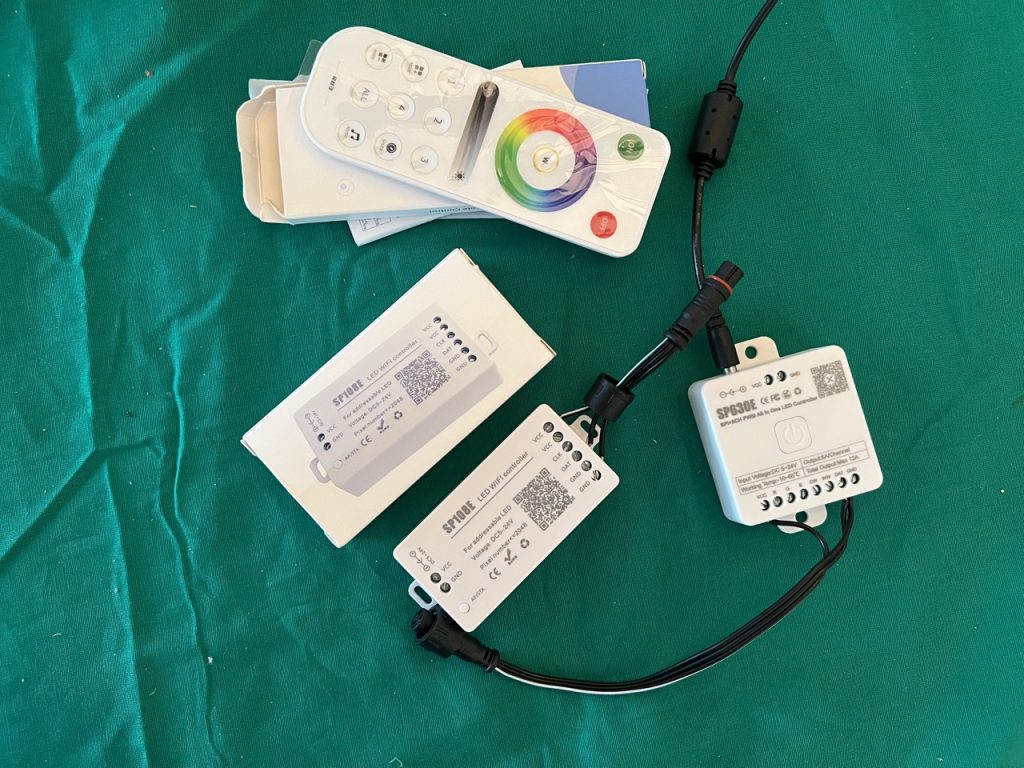
Controller:
a. Connectivity: Wi-Fi, Bluetooth, or booth.
Wi-Fi controllers enable convenient control from mobile devices or computers within the Wi-Fi network’s range. Most of them require a connection to the central server whenever the lighting pattern is updated. As of May 2023, this connection represents the largest flow for dedicated controllers on the Canadian market. Even for the most revered and expensive items, such as the “Gemstone,” this problem is frequently reported. Read reviews of the controller you’re considering purchasing.
Bluetooth controllers permit direct control from nearby devices without an internet connection. They provide a dependable and secure connection for lighting control. However, they may have limited access to patterns.
b. Protocol Compatibility: It is imperative to choose a controller that supports the same communication protocol as the LED lights.
c. Software. Read the Reviews!
read more about controllers.
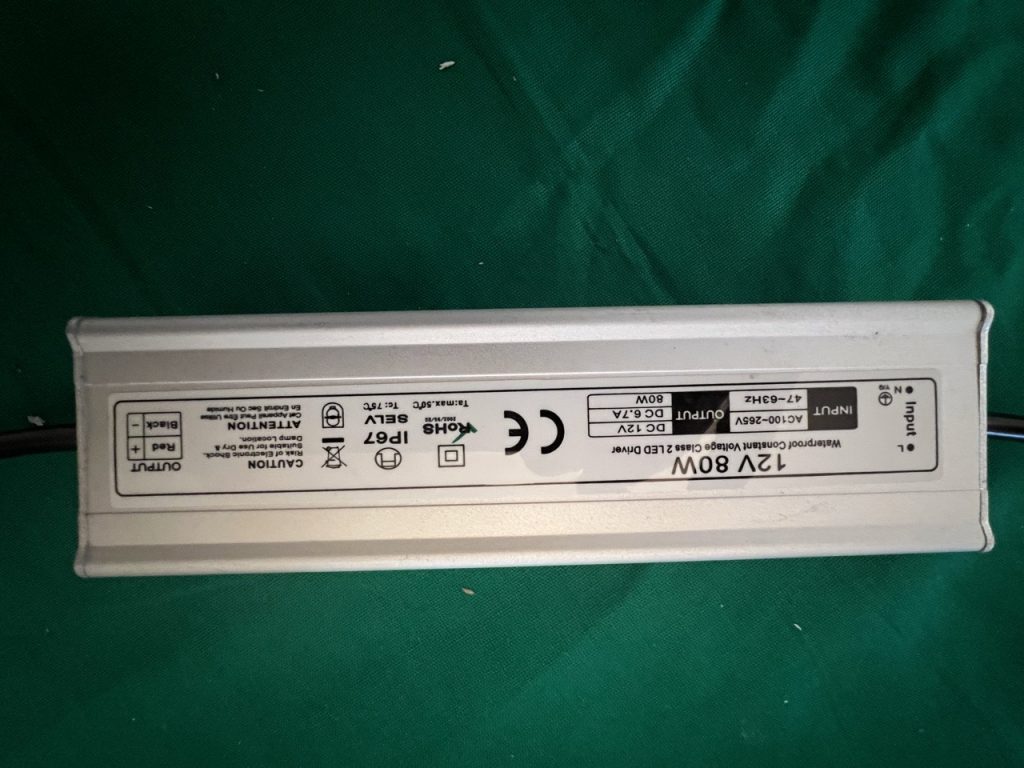
Power Supply.
a. Sufficient Capacity: Determine if the power supply has sufficient capacity to accommodate the additional electrical load of the permanent holiday lights.
b. Power Injection: Determine how many points of power injection will be required to evenly distribute power throughout the light installation, especially for longer runs of LED lights.
Read more about the power supply.